How to Grow
I’ve curated and collected seed that produces beautiful blooms with minimal effort.
Foxglove
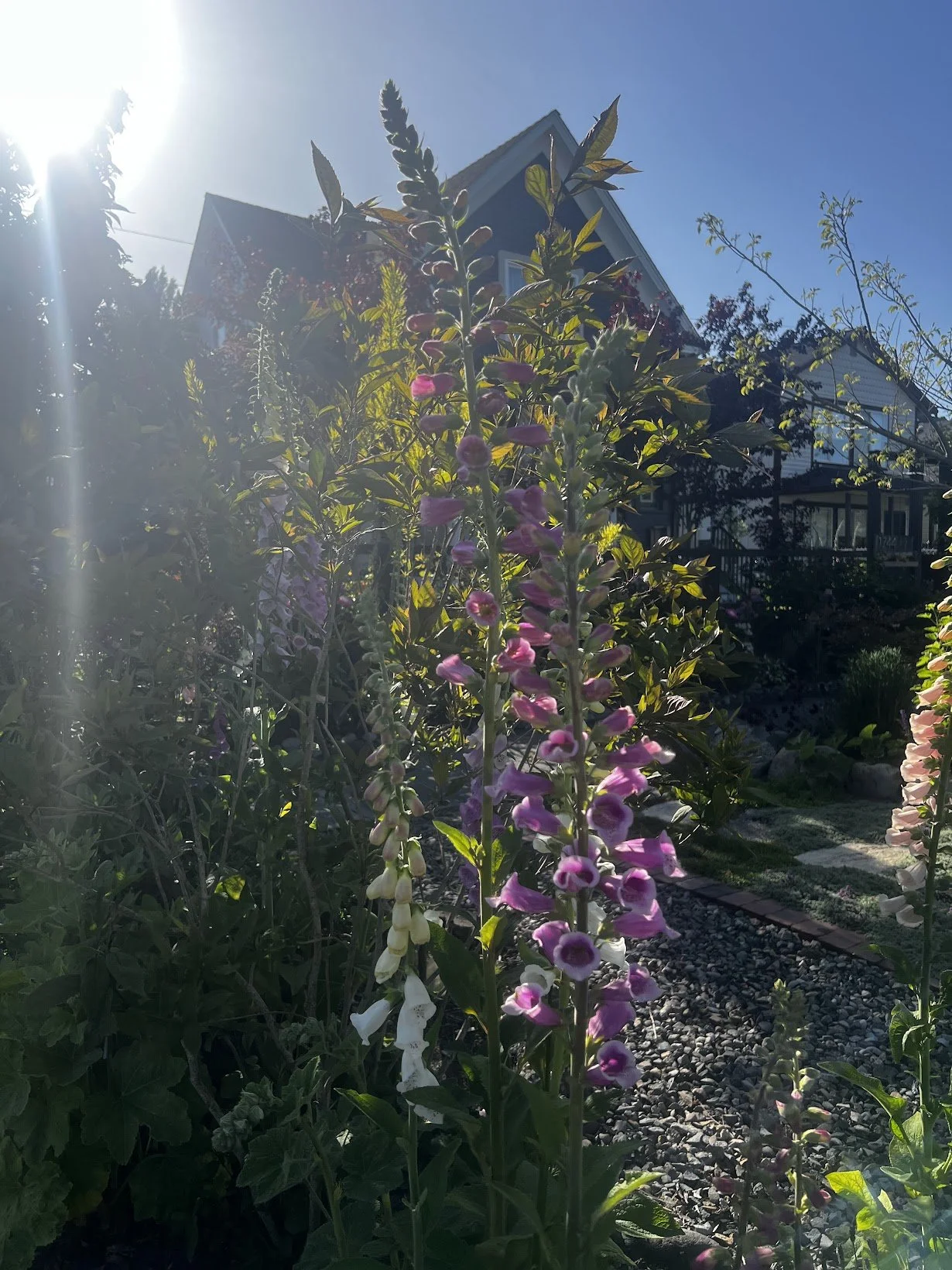
Foxglove is an easy growing, spike wildflower that is perfect for our climate in the PNW. You can spot them on hikes and along roadsides. They are biennials meaning they will typically grow foliage the first year and bloom the second year. However, I have had them bloom the first year especially when started indoors. They will also occasionally stick around and bloom a second year. They readily self seed so you will get many more plants if you let the seed pods mature. Makes a wonderful cut flower. All parts of this plant are toxic to humans and pets so take care.
They aren’t super picky about placement. I’ve had luck in full sun, partial and most shade. If you choose to direct sow (the easiest option), I would do so at the end of May, when the soil temperature is a bit warmer. You can also hold onto the seeds and direct sow at the end of summer in August. The seeds need light to germinate (they’re super tiny!), so I would spread them on the soil where you want them and firm them into the soil but don’t bury.
Alternatively, you can start in trays indoors at the end of February or beginning of March. This works best with grow lights. Again don’t cover the seeds, just give them a little push so they have good content with the soil. Keep moist with a misting bottle to begin with. I find bottom watering seedling to be the most successful.
Nigella
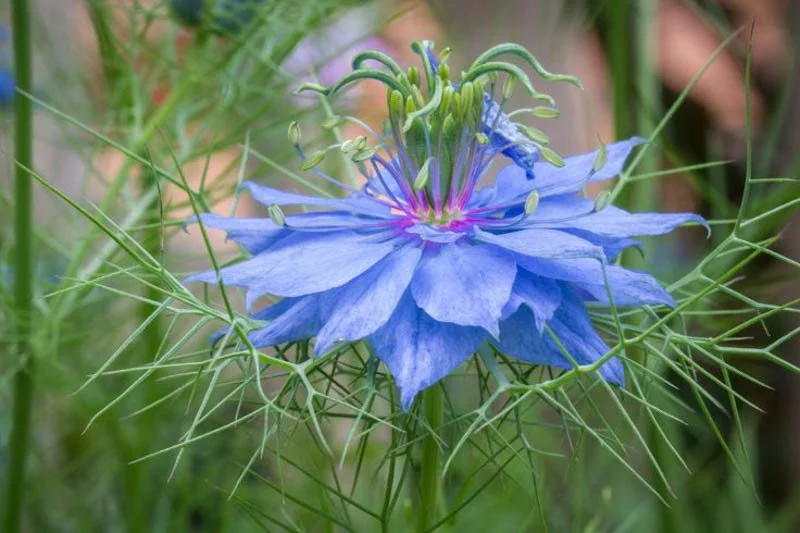
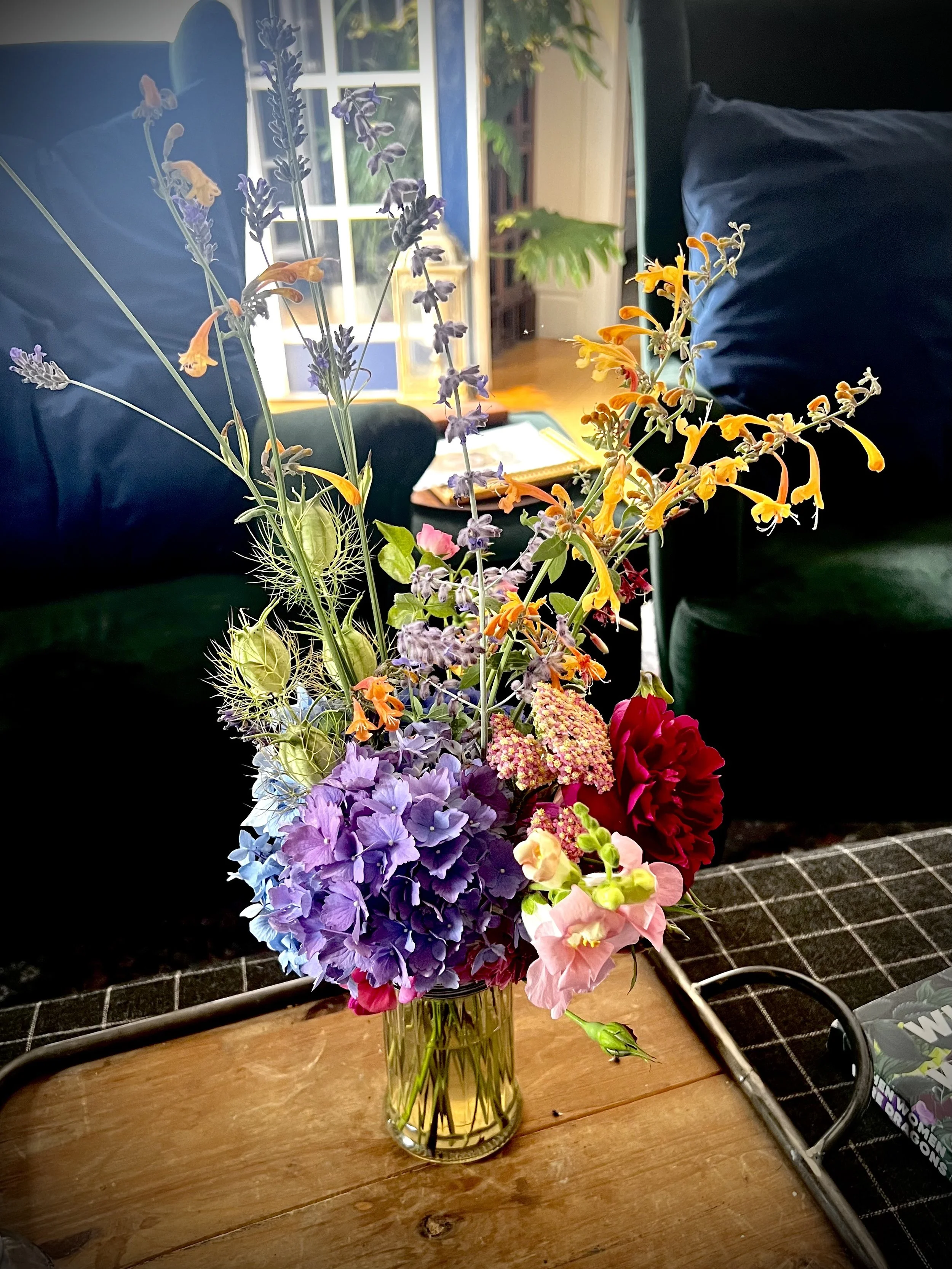
This is also called Love-in-a-mist, and that name seems pretty obvious. This beauty has a lovely and unique form with its accompanying wispy foliage. The flowers are great but my favorite part about these are the seed pods which look almost alien. Both bloom and seed pods are great for cut flowers with the pods lasting longer in the vase.
These are best direct sown as they don’t like their roots to be disturbed. Here in the PNW you can plant in April. Barely cover with soil and space seeds approximately 6” apart and keep moist until they germinate in about 10-14 days.
If you want continuous blooms you can succession plant (plant more seeds) every 2-3 weeks.
Hollyhocks
Hollyhocks are another beautiful spike flower. They are also a biennial that I have had success getting to bloom the first year when started indoors in early spring. These also readily self seed for many more plants if you allow the seed heads to mature. These don’t make good cut flowers but are a wonderful and whimsical cottage garden staple.
These do best in full sun and sometimes need support so planting with a fence or other structure behind would be wise. Seeds need light to germinate but are larger than foxglove seeds so you can barely cover with soil. If starting indoors begin in March. For outdoors you can direct sow here in the PNW late April or early May, or you can direct sow in the fall in late August/early September. This method will likely get you blooms the following year.
Sweet peas
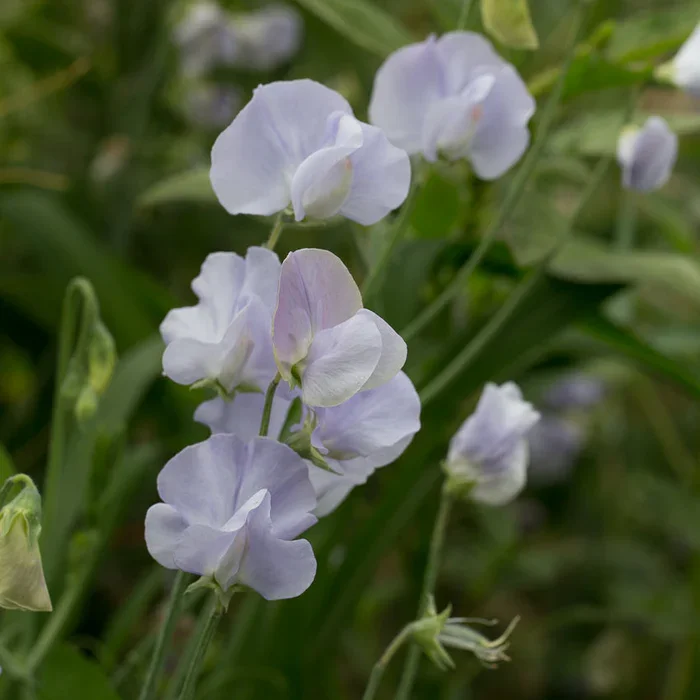
These old fashioned classics are just so, well, sweet! They smell incredible in the vase or on the breeze in the garden. They need a support such as a trellis or wall with string to grow on (I also enjoy adding them to hanging baskets as a trailing plant).
They are best direct sown in early spring and can be planted about 1” deep and 2-3” apart. Protect from slugs/snails, I use Sluggo because it’s safest for pets and children and can be found in almost any garden section of a hardware store.
To get the most blooms harvest often and know that they will last longest in the vase before the blooms are fully open. They dislike hot weather so you will probably have blooms through June.
To collect seeds let the pods develop on the vine until brown. You can also allow them to self seed as once they are fully mature the pods will burst open.